2026 Pest & Wildlife Trends for Florida Homeowners
Florida’s climate, land use, and weather patterns make it uniquely vulnerable to pest and wildlife challenges. With climate change, increased urbanization, and shifting ecosystems, 2026 is shaping to bring new pressures—and opportunities for proactive homeowners. Here are the key trends to watch, and what you can do to stay ahead.
Major Trends to Watch in 2026
1. Longer Active Seasons for Pests
Florida already enjoys a warm climate nearly year-round—but that trend is expected to intensify. Winter periods are becoming milder, meaning pests that used to slow down in cooler months will remain active longer. According to research, pests like roaches, ants, and mosquitoes are less suppressed by cold, allowing populations to build earlier in spring and linger into what used to be their “off” season.
2. More Frequent & Intense Storms = Increased Wildlife Encroachment
Heavy rains, flooding, and storm damage continue to create new entry points for rodents, termites, bats, and other wildlife. Homes damaged by wind or water become easy shelters. The displacement of animals forces them to seek refuge in attics, crawl spaces, and otherwise secure structures.
3. Termites Becoming a Bigger Threat, Including Invasive Species
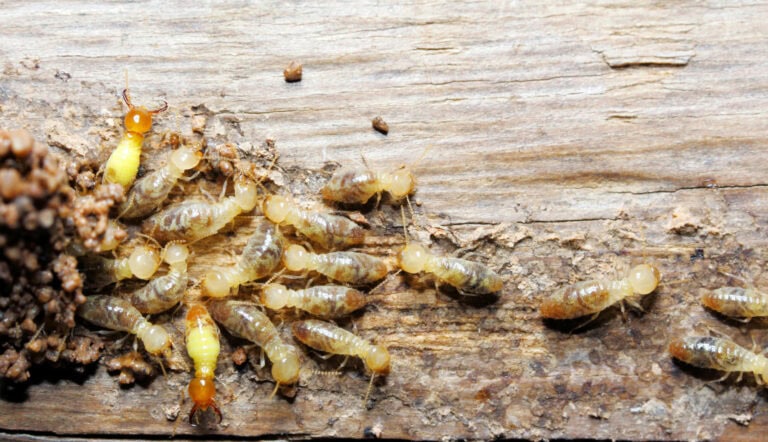
While Florida has always had termite issues, subterranean termites such as Formosan and Asian species are spreading, expanding their range, and increasing damage risk. In many communities, these termites are becoming steady threats—not just seasonal or occasional problems. Drywood termites are still an issue, but subterranean ones often do more structural damage, and their colonies are harder to detect.
4. Disease-Carrying Pests (Vectors) Gaining Ground
Mosquitoes and ticks are expected to proliferate, especially in areas with standing water or poor drainage. Warmer winters and wetter summers contribute to more breeding cycles. The risk of mosquito-borne illnesses (like West Nile, dengue, or others depending on region) may become more pronounced. Increased rodent activity (driven indoors by flooding or habitat disruption) may also raise risk of rodent-borne diseases.
5. Invasive Wildlife Expanding Range
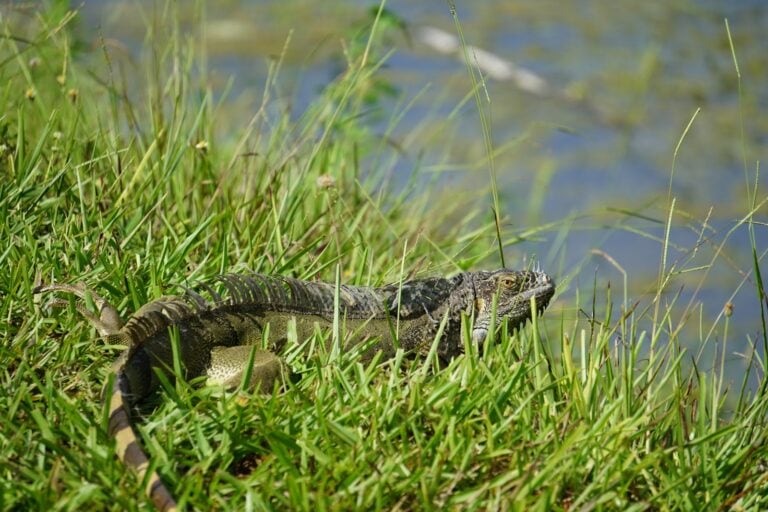
Species that were once limited to southern parts of Florida are likely to shift northward as the climate warms. Invasive reptiles (e.g. iguanas or tegus) may show up in new areas. Also, invasive insects or pests originally associated with agriculture or tropical zones may make themselves more of a homeowner nuisance in urban/suburban settings.
6. Increased Emphasis on Sustainable, Safe, and Humane Control Methods
Homeowners are increasingly concerned about chemical exposure, wildlife welfare, and environmental impact. Eco-friendly pest control, integrated pest management (IPM), humane removal, remote trap monitoring, and biological controls will become more popular and expected. Regulators and consumers alike will likely drive demand for these safer methods. Though some of the specifics for 2026 are still emerging, the momentum is clear.
What This Means for Homeowners
With these trends in view, Florida homeowners can take proactive steps to reduce risk, lower costs, and avoid unpleasant surprises. Here’s what to plan for:
A. Regular Inspections & Early Detection
- Schedule inspections at least biannually (especially before the heavy rainy season and summer).
- Be on the lookout for early signs: mud tubes (for termites), moisture in attic/crawl spaces, increased mosquito/bug breeding, rodent droppings.
- Use devices or services that monitor or alert you early (smart traps, cameras, etc.).
B. Seal and Protect
- Reinforce rooflines, vents, soffits, and any areas where storm damage might create gaps.
- Ensure proper sealing around doors, windows, and foundation junctions.
- Maintain gutters and drainage to avoid water pooling—reducing mosquito breeding zones.
C. Choose Humane + Sustainable Pest Control
- When hiring services, ask about their use of humane removal, eco-friendly treatments, or biological controls.
- Practice IPM: combine prevention, monitoring, and targeted treatment rather than broad chemical sprays.
- Keep landscape maintenance up: trim overgrowth, remove standing water, avoid decaying wood close to homes.
D. Plan for Storm Season
- After major storms, inspect for new damage, leaks, or dislodged support structures that might allow pest entry.
- Clear debris and fallen tree limbs.
- Ensure that your attic, crawl spaces, and vents are dry and ventilated.
E. Stay Informed on Local Hotspots
- Some neighborhoods and counties are becoming termite “hot spots,” according to UF/IFAS research. Knowing if your area is one can help you anticipate issues.
- Keep up with local news or agricultural extension alerts about invasive species, disease outbreaks, or climate anomalies that could affect pest behavior.
Looking Ahead: 2026 & Beyond
- Technology will play larger roles: remote monitoring, smart traps, better detection tools will likely become more common and more affordable.
- Awareness is growing, and so will regulation: local and state bodies may strengthen requirements around pest control methods, particularly concerning chemical usage, wildlife protection, and humane removal.
- Homeowner expectations will shift: people will increasingly expect pest control providers to offer transparency, safer options, and prevention-oriented plans rather than just reactive treatments.
Conclusion
Florida homeowners in 2026 will face a shifting pest landscape: longer activity seasons, increasing threats from invasive species, more disease risk, and stronger demand for humane/sustainable solutions. But with awareness and preparation, these challenges aren’t unavoidable disasters—they’re manageable.
Taking steps now—inspecting regularly, sealing your home, choosing the right partner—can help you avoid costly damage, health risks, and stress later. Want to stay ahead of pest threats this year?