As the year comes to a close, it’s clear that Northeast Florida homeowners faced a unique set of pest and wildlife challenges. From increased rodent activity after summer storms to late-season termite swarms, 2025 revealed how weather patterns, urban development, and shifting wildlife behaviors are reshaping pest control needs across the region.
Here’s a look back at the top wildlife and pest problems of the year, what caused them, and what homeowners can learn to stay ahead in 2026.
1. Rodent Surges After Summer Storms
Rodents once again topped the list of homeowner calls this year, especially in late summer and early fall. Heavy rains and hurricane-related damage created easy entry points into attics and crawl spaces. Roof rats and house mice took advantage of these vulnerabilities to nest and breed indoors.
Key factors behind the surge:
- More frequent and intense summer storms
- Roof damage and open soffits
- Increased construction and development displacing rodent populations
Prevention tips for 2026:
- Seal rooflines and vent openings before hurricane season
- Trim tree branches 6–8 feet away from your roof
- Schedule attic inspections after major storms to catch early signs of nesting
2. Termite Pressure Remained High
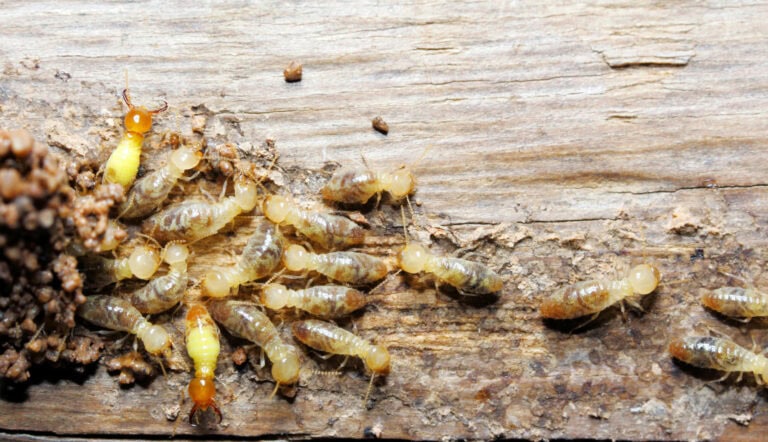
Termites remain one of Northeast Florida’s costliest pest problems. Warm temperatures extended the termite season, leading to multiple swarming periods in some areas. Subterranean species continued to cause structural issues, particularly in older homes with moisture problems.
Signs homeowners reported most often:
- Mud tubes on foundations
- Hollow or buckling wood
- Swarmers near windows and doors
What to expect next year:
With mild winters and wet summers projected again, 2026 may bring an even longer active termite season. Preventive inspections and moisture control will be key.
3. Bat Roosting Season Brought New Challenges
Bats were a frequent concern for homeowners this spring and summer. Maternity season made removal timing tricky—since once bats roost, they can’t legally be removed until after the season ends. Many homeowners didn’t notice them until guano and odor became obvious.
Why activity increased:
- Warm, dry attics make ideal roosting sites
- Early spring warming triggered earlier maternity cycles
- Structural gaps in rooflines and vents
Best practices for prevention:
- Seal gaps before maternity season begins (April–August)
- Schedule annual inspections to identify potential roosting points
- Use bat exclusion devices only during legal removal windows
4. Snake Sightings Spiked During Rainy Months
This year’s wet summer also brought a noticeable increase in snake activity around homes, gardens, and waterfront properties. While most species were nonvenomous, they often followed rodent activity and shelter opportunities created by overgrown landscaping.
Most common attractants:
- Tall grass and dense landscaping
- Standing water near foundations
- Rodent activity in and around structures
Steps to reduce encounters:
- Maintain clean landscaping and trimmed lawns
- Control rodent activity early
- Seal crawl space openings and utility gaps
5. Raccoons and Squirrels Took Advantage of Attic Access
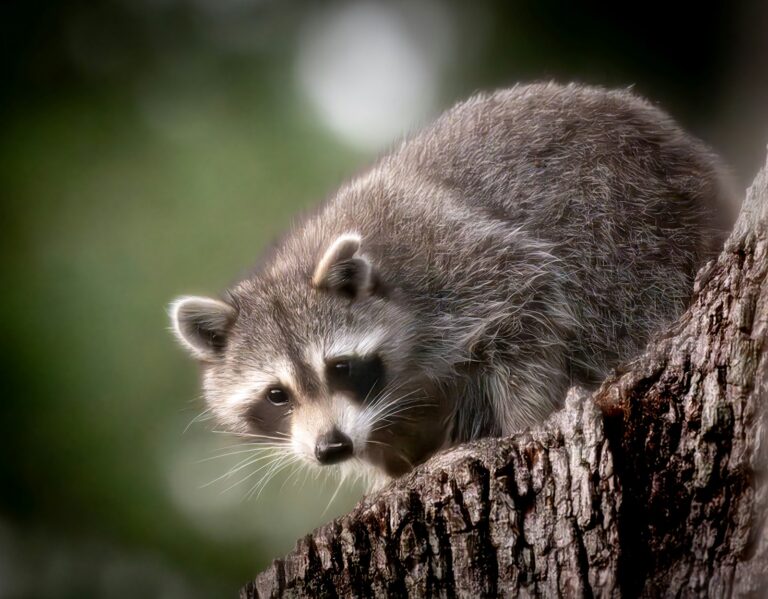
Raccoons and squirrels remained common attic intruders, especially in older homes with weakened or unsealed soffits. With breeding seasons overlapping in spring and fall, many homeowners experienced multiple incursions in a single year.
Top entry points observed:
- Roof vents
- Fascia gaps
- Loose soffits and chimney caps
Looking ahead:
Property owners can expect similar activity next year unless they invest in exclusion work before nesting season begins.
6. Mosquito and Tick Seasons Lasted Longer Than Usual
Warmer late-season temperatures meant mosquitoes and ticks remained active well into the fall. Homeowners with standing water, shaded yards, or unmaintained drainage saw the highest activity.
Contributing factors:
- Extended warm weather
- Heavy summer rainfall
- More frequent localized flooding
Proactive solutions for 2026:
- Improve yard drainage
- Eliminate standing water
- Schedule regular yard treatments during peak breeding months
Why These Trends Matter
These recurring problems aren’t random—they’re tied to climate patterns, storm activity, urban growth, and shifting wildlife behavior. The common thread across all of these issues is that proactive prevention beats reactive cleanup every time.
- Storm damage creates access points.
- Warm winters extend breeding seasons.
- Moisture issues invite pests that can cause costly structural damage.
How Homeowners Can Stay Ahead in 2026
- Schedule a pre-season inspection: Identify vulnerabilities before peak pest activity begins.
- Invest in exclusion work: Sealing gaps and entry points is often the most cost-effective long-term solution.
- Adopt preventive pest control plans: Regular inspections, monitoring, and targeted treatments keep small issues from turning into emergencies.
- Monitor after major weather events: Storms often accelerate pest intrusion.
Final Thoughts
The past year proved that Northeast Florida’s pest and wildlife pressures aren’t slowing down—they’re evolving. With smart planning, regular inspections, and humane, sustainable pest control strategies, homeowners can protect their properties more effectively than ever.
Schedule your 2026 Pre-Season Wildlife & Pest Inspection today with Coastal Wildlife & Pest Services. Stay ahead of the trends, protect your property, and save on costly emergency calls.