In Northeast Florida, late summer is prime time for hurricane season. By the time August rolls around, the warm waters of the Atlantic are a perfect breeding ground for tropical storms, and every homeowner starts thinking about batteries, bottled water, and plywood. But while we’re focused on wind speeds and cone projections, there’s a quieter, often-overlooked threat that storms can bring displaced wildlife looking for shelter in your home, especially your attic.
If you’ve never thought of your attic as an Airbnb for squirrels, raccoons, or rats, you might be surprised at how quickly it can become one during a storm. Strong winds knock down trees, tearing open natural nests. Floodwaters destroy burrows and wash away food sources. Birds, bats, and rodents all get pushed out of their usual habitats. And in their desperation, they’re not picky, they’ll head for anywhere that’s dry, elevated, and out of the wind. Unfortunately, your attic fits the bill perfectly.
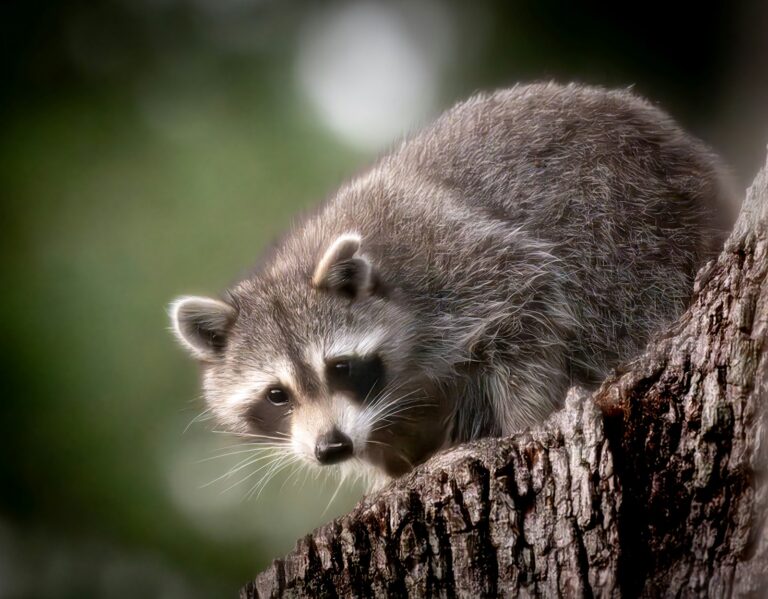
Once inside, the problems escalate quickly. Squirrels and rats will chew through electrical wiring, insulation, and even wooden beams. Raccoons can tear up ductwork and leave behind droppings that carry parasites like roundworm. Bats, while beneficial for insect control, can leave guano that poses serious respiratory risks if not handled properly. And unlike water damage or a few missing shingles, wildlife damage doesn’t stop once the storm passes, if they find your attic comfortable, they may decide to stay indefinitely.
This is why late summer, before the most intense part of hurricane season, is the perfect time to take preventative action. A wildlife-focused home inspection is different from a standard roof or storm prep check. Coastal Wildlife & Pest Control Services doesn’t just look for loose shingles or cracked vents, they look for potential entry points from an animal’s perspective. A gap under an eave, a torn soffit, or a lifted ridge vent might seem small to you, but for a rat, it’s an open door.
During a pre-storm inspection, Coastal’s technicians will seal up gaps with durable, chew-resistant materials, repair damaged screens or vents, and reinforce weak spots where wind could create an opening. They’ll also assess your property for factors that might attract wildlife during a storm, such as unsecured trash bins, open pet food containers, or thick vegetation right up against the house that provides cover.
It’s also smart to trim back trees and remove overhanging limbs. Not only does this reduce the risk of storm damage, but it also cuts off easy “bridges” that squirrels and raccoons use to access your roof. Clearing out gutters and ensuring proper drainage can help, too, standing water after a storm attracts insects, which in turn attract the animals that feed on them.
For homeowners who have experienced wildlife intrusion before, pre-storm prevention is even more critical. Animals are creatures of habit, if your attic or crawlspace has ever served as shelter for squirrels, raccoons, or rodents, they may remember it and try again when desperate. Coastal Wildlife & Pest Control Services can add extra deterrents in these cases, from heavy-duty vent covers to wildlife-proof chimney caps.
The reality is that hurricanes create chaos for every part of the ecosystem, not just for humans. We plan to evacuate or shelter in place; animals improvise. And while it’s tempting to think “they’ll just move on after the storm,” many don’t. If your attic offers warmth, safety, and food access, they’ll settle in. Left unchecked, this can lead to weeks or months of ongoing damage long after the wind dies down.
Post-storm, Coastal Wildlife & Pest Control Services offers emergency removal and attic sanitation. If your home has sustained roof or siding damage, animals can slip in almost immediately, sometimes within hours of the storm. Their technicians are trained to work in unsafe, post-storm conditions, removing animals humanely, repairing entry points, and cleaning contaminated areas so your attic is safe to re-enter. They can also work alongside roofing contractors to ensure wildlife-proofing is done as repairs are made, preventing the “one step forward, two steps back” problem of fixing a roof but leaving it vulnerable to the same intruders.
Preparing for hurricane season isn’t just about sandbags and storm shutters, it’s about protecting your home from every kind of damage a storm can bring. Wildlife intrusion is often overlooked until it’s too late, and by then, you’re dealing with a much bigger mess. Late summer is your chance to take control of that risk and safeguard your attic before the winds pick up. Coastal Wildlife & Pest Control Services has the experience, tools, and humane approach to make sure your attic remains yours, not the neighborhood’s emergency wildlife shelter, this hurricane season.