As August winds down and the Florida heat slowly begins to ease, nature starts preparing for a seasonal shift. While we might not get the dramatic fall foliage of the northern states, wildlife here in Northeast Florida is still tuned into the change in daylight and subtle drops in temperature. And that means you’re more likely to spot some wild neighbors acting a little differently than they did in June and July. Bats, squirrels, and raccoons, three of the most common urban and suburban wildlife species in our area, become more active as summer turns into fall, and for homeowners, this increased activity can sometimes lead to unwelcome encounters.
Let’s start with bats. These nighttime flyers play an important role in keeping insect populations under control, especially mosquitoes. But by late summer, they’re in the midst a busy season. Many bats give birth in early summer, so by August and September, the young are old enough to fly. This means more bats on the wing at dusk, searching for food and possible shelter before cooler weather. In Florida, bats don’t hibernate like they do in colder climates, but they will look for stable, protected roosts to ride out less abundant feeding times. Unfortunately, your attic can seem like prime real estate to them.
The key with bats is prevention. Sealing up entry points before they decide to roost is critical because once they’ve settled in, eviction becomes tricky. Florida law protects bats, especially during maternity season (April 15 to August 15), when they cannot legally be removed. Coastal Wildlife & Pest Control Services is well-versed in these regulations and can conduct humane exclusions outside the protected period. They identify and seal up gaps, install one-way devices to allow bats to exit without re-entering, and ensure the roosting space is fully sanitized afterward to remove guano and any associated health hazards.
Squirrels are another late-summer headache. Like bats, they can be charming to watch from a distance, but they’re opportunistic and highly resourceful when it comes to finding shelter. Late summer is the prelude to their fall breeding season, and females will be scouting safe, enclosed spaces to raise young. Attics, garages, and sheds are top picks because they offer protection from predators and easy access to food sources. Once inside, squirrels can chew through wires, insulation, and even structural beams, creating serious safety risks.
The best way to keep squirrels out is to make your property less inviting. Trim tree branches that hang too close to your roofline to reduce their access points. Keep pet food indoors and secure trash cans with tight-fitting lids. If you suspect a squirrel has already moved in, professional help is essential removing them yourself can be dangerous, especially if there are babies involved. Coastal Wildlife & Pest Control Services uses humane trapping methods and then repairs and reinforces entry points to keep future intruders at bay.
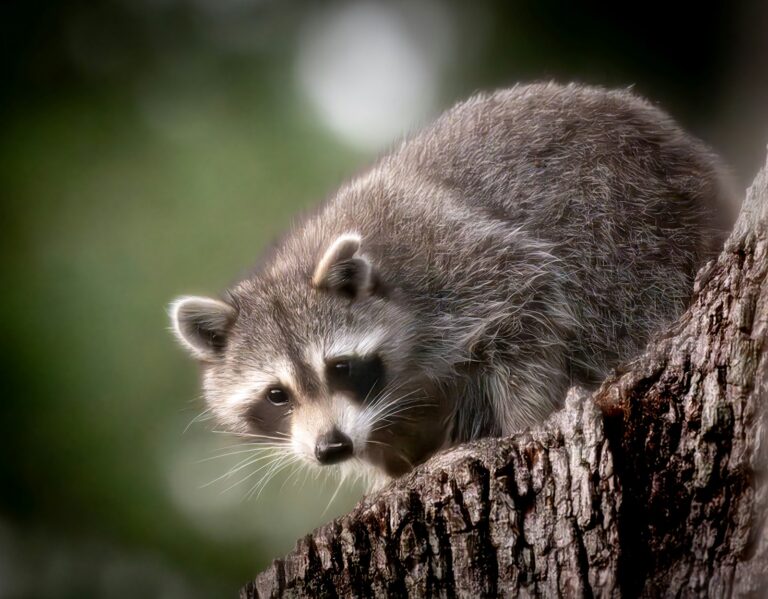
Raccoons round out the late-summer trio, and they can be the most destructive of the bunch. Clever, strong, and surprisingly dexterous, raccoons can open containers, pry off shingles, and even tear through soffits to get into attics. Late summer often brings them into neighborhoods in search of easy meals, trash cans, pet food, compost piles, and unsecured chicken coops are all raccoon magnets. As omnivores, they’re not picky eaters, and they’ll remember a reliable food source for future raids.
When raccoons decide your home is their new hangout, the damage can escalate quickly. They’ll rip up insulation for nesting, leave behind droppings that can carry parasites, and sometimes even have multiple litters in the same nesting spot. Coastal Wildlife & Pest Control Services handles raccoon removal with a focus on safety, for you, your pets, and the animal. Their technicians use humane traps and relocation, combined with thorough site inspections to block entry points and discourage repeat visits.
The overlap between human habitats and wildlife is greater in late summer because both parties are preparing for seasonal changes. For wildlife, it’s about securing food and shelter. For us, it’s about enjoying the last stretch of outdoor living before the holidays. The best approach is a proactive one, inspect your home now for gaps, loose siding, or damaged vents. Clean up fallen fruit from trees, secure garbage, and avoid leaving pet food outside overnight.
Wildlife encounters can be fascinating, but when bats, squirrels, or raccoons get too close for comfort, they stop being cute and start being a problem. The late-summer increase in activity is natural, but it doesn’t have to lead to property damage or safety hazards. With professional guidance from Coastal Wildlife & Pest Control Services, you can protect your home, preserve local wildlife, and step into fall with fewer worries.