It usually starts with something small. A little scratching in the attic. A few droppings on the porch. Maybe a strange smell in the crawl space. You hop online, do a little reading, and before you know it, you’re convinced you can handle that raccoon, squirrel, or opossum on your own.
After all, how hard could it be?
The truth? A lot harder, and a lot riskier, than you think.
At Coastal Wildlife Services, we’ve seen firsthand how quickly a “simple DIY solution” can spiral into property damage, injury, or worse. What starts with a store-bought trap and good intentions often ends in frustration, unexpected costs, and a very angry wild animal still on the loose.
Let’s break down why wildlife removal is not a weekend project, and what you should do if you think you have a critter problem.
Wild Animals Aren’t Just Pests, They’re Unpredictable
The first mistake most DIYers make is underestimating the animal. That squirrel in your attic isn’t just a furry annoyance, it’s a wild animal with sharp teeth, claws, and survival instincts that kick in fast when it feels cornered.
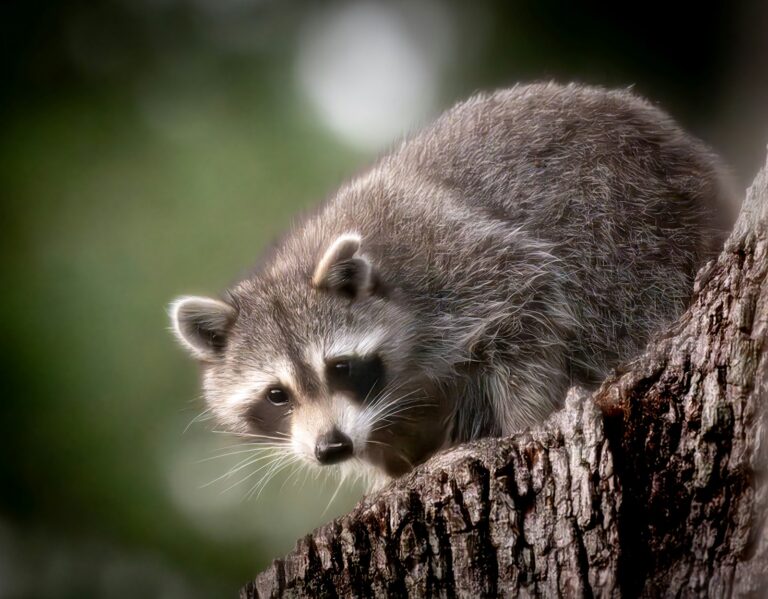
Raccoons, for example, are incredibly intelligent and notoriously aggressive when threatened. They’re also carriers of diseases like rabies and roundworm, both of which can be transmitted to humans through bites, scratches, or contaminated droppings. Bats carry histoplasmosis, an airborne fungal disease that lives in their guano and can cause serious respiratory issues. Even the cute little opossum can lash out if it feels trapped.
These aren’t household pests you can sweep away with a broom. They are territorial, often stressed, and more dangerous than you realize, especially when defending their young or nest sites.
One Animal Usually Means More
You heard something thumping in the attic and assumed it was one stray animal. But wildlife rarely travels solo. Raccoons, squirrels, bats, and even birds often build nests and raise young in warm, enclosed areas, meaning that what you think is one animal might be a whole family.
Removing just one adult animal doesn’t solve the problem. In fact, it can make things worse. If babies are left behind, they’ll starve, decompose, and create a biohazard inside your home. Or worse, other animals will be drawn to the scent and try to enter your property to claim the space.
Our team uses inspection techniques to identify entry points, nesting areas, and breeding behavior. We don’t just remove the visible problem, we assess the full situation and make sure it’s solved humanely and permanently.
DIY Solutions Often Make the Problem Worse
You might be tempted to try repellents, poison, or cheap traps from the hardware store. These products are not only ineffective, but often illegal or dangerous.
- Repellents like ammonia, mothballs, or ultrasonic devices are gimmicks. Animals get used to them fast, or avoid them temporarily and return days later.
- Poison is not only cruel but creates a slow death, often inside your walls or attic. You’ll end up with a decomposing animal you can’t reach, and a smell you’ll never forget.
- Improper trapping can leave animals injured, starving, or even more aggressive. Worse, local laws may prohibit relocation or require special permits for handling certain species.
Wildlife laws exist for a reason. Many animals, especially birds and bats, are protected under federal or state legislation. Violating these laws, even unintentionally, can land you with fines or legal trouble. At Coastal Wildlife Services, we’re fully licensed and trained in humane removal techniques that meet both ethical and legal standards.
Health Risks Are Higher Than You Think
Let’s talk germs. Wildlife doesn’t just pose a physical danger, it brings a host of pathogens, parasites, and diseases into your home.
- Raccoon feces can carry raccoon roundworm, a dangerous parasite that can cause severe neurological issues in humans.
- Bats may carry rabies, and their guano can release airborne spores that cause histoplasmosis.
- Rodents like rats and mice are known carriers of hantavirus, leptospirosis, and salmonella.
- Even squirrels, commonly thought of as harmless, can carry ticks, fleas, and lice into your home.
Without proper personal protective equipment (PPE), handling contaminated areas can expose you to serious illness. Professionals know how to safely clean, sanitize, and decontaminate areas after removal. Most homeowners don’t.
Entry Points Must Be Sealed, Correctly
Let’s say you manage to trap and release an animal. That’s great, but if you don’t seal the entry point correctly, you’ve just set up a revolving door. Wild animals are opportunistic. If they find warmth, shelter, and easy access once, they’ll keep coming back, or worse, new animals will move in and take their place.
Proper exclusion work is a critical part of any wildlife removal plan. Our technicians use commercial-grade materials to seal gaps, vents, crawl space openings, roof edges, and chimney caps, ensuring the animals stay out for good. We also install one-way exits where appropriate, so animals can leave but can’t return.
This kind of work isn’t just about patching holes. It requires understanding animal behavior, nesting patterns, and structural weak points, all of which vary depending on your home’s construction and location.
What to Do Instead of DIY
If you suspect wildlife in or around your home, here’s what to do:
- Don’t engage directly. Avoid trapping, chasing, or cornering animals.
- Keep pets and kids away. They’re more likely to get injured or infected.
- Take note of activity. Sounds, smells, droppings, or damage help our team pinpoint the issue.
- Call Coastal Wildlife Services. Our licensed experts will inspect, identify, and handle the issue from start to finish.
We offer humane trapping, safe removal, full exclusion services, and decontamination, backed by years of experience, legal compliance, and real peace of mind. Our goal isn’t just to get the animal out, it’s to keep your home protected for the long haul.
Bottom line: You wouldn’t try to rewire your home without an electrician. You wouldn’t perform your own dental work. So why risk your safety, home, and health trying to remove wildlife yourself?
Let Coastal Wildlife Services handle it the right way, professionally, legally, and humanely. Because protecting your home starts with respecting the wild things that don’t belong inside it.
#wildlifeservices #pestprevention #professionalservices